
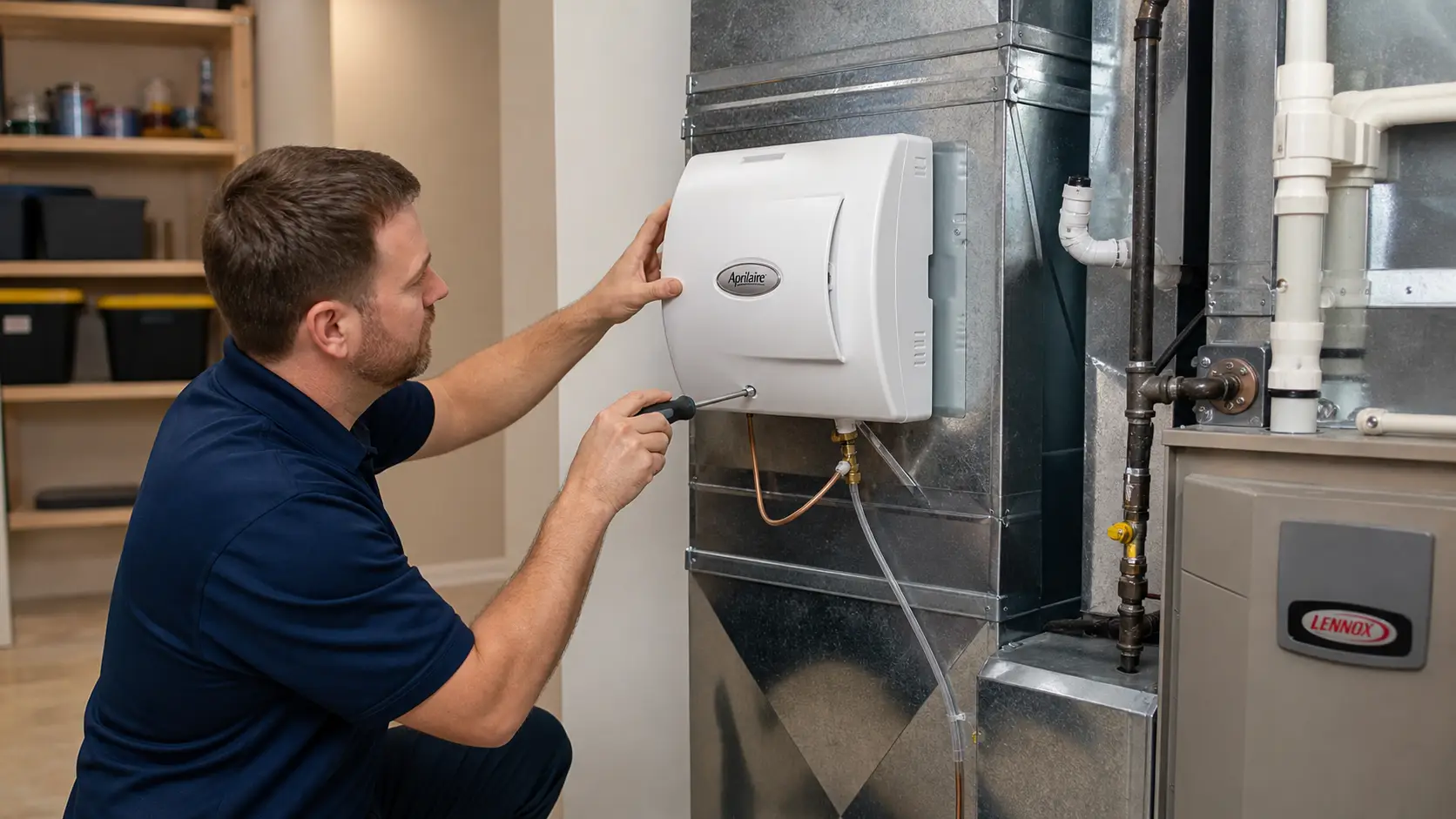
Maintaining comfortable indoor humidity is an important part of creating a healthy and pleasant living environment. Dry indoor air can cause skin irritation, throat discomfort, static electricity, and damage to wooden furniture and flooring. A whole-home humidifier helps address these issues by adding moisture to indoor air.
Homeowners considering whole home humidifier installation in Yakima should understand how these systems operate, their installation requirements, and ongoing maintenance needs. Selecting the right humidifier for your property can help maintain balanced indoor humidity and improve household comfort throughout the colder months.
What Is a Whole-Home Humidifier?
A whole-home humidifier is a device that works alongside a home’s heating and cooling system to regulate indoor moisture levels. Unlike portable humidifiers that typically serve individual rooms, a central humidifier distributes moisture through the property’s existing ductwork.
These systems generally connect to a water supply and use a humidity control device, known as a humidistat, to monitor and regulate moisture levels. Depending on the system type, moisture is introduced through evaporation or steam generation.
Signs Your Home Needs a Humidifier
Low indoor humidity is common during colder months when heating systems operate regularly. Dry skin, irritated nasal passages, frequent static shocks, and dry throats may indicate that indoor moisture levels are too low.
Wooden flooring, furniture, and musical instruments may also develop cracks or shrinkage when exposed to excessively dry conditions. Using a digital hygrometer to measure indoor humidity can help determine whether additional moisture is necessary before investing in a humidification system.
Types of Whole-Home Humidifiers
Understanding the different types of humidifiers can help homeowners select equipment that suits their property’s size, heating system, and moisture requirements.
Bypass Humidifiers
Bypass humidifiers use airflow from the existing heating system to pass air through a water-saturated evaporative pad. They generally require additional ductwork connections and depend on suitable airflow to distribute moisture.
Fan-Powered Humidifiers
These systems contain a built-in fan that moves air through an evaporative pad. They can provide humidification without requiring the same bypass duct arrangement, although compatibility with existing HVAC equipment must be assessed.
Steam Humidifiers
Steam humidifiers heat water to produce steam, which is distributed through the ductwork. They can operate independently of a heating call when properly configured but generally require more electrical energy than evaporative models.
Benefits of Installing a Whole-Home Humidifier
A properly selected and maintained humidifier can offer several practical advantages for homeowners.
- Improved indoor comfort: Helps reduce discomfort associated with excessively dry indoor air.
- Reduced static electricity: Balanced moisture levels can limit frequent static shocks.
- Protection for wooden furnishings: Appropriate humidity can help prevent excessive drying and shrinkage.
- Consistent moisture distribution: Central systems distribute humidified air through connected ductwork.
- Automatic humidity control: Compatible humidistats help regulate moisture according to selected settings.
- Greater convenience: Central humidifiers generally eliminate the need to refill multiple portable water tanks.
These benefits depend on correct equipment sizing, installation quality, humidity settings, and regular maintenance.
Important Factors to Consider Before Installation
Before arranging whole home humidifier installation in Yakima, homeowners should consider their property’s square footage, existing HVAC equipment, insulation quality, and indoor humidity levels. These factors influence the type and capacity of humidifier required.
Water quality, drainage accessibility, electrical connections, and available installation space also deserve attention. A professional assessment can help determine whether your existing heating system can accommodate a humidifier without extensive modifications.
Understanding the Installation Process
Installation typically begins with an inspection of the HVAC system and identification of a suitable mounting location. The technician then installs the humidifier, connects the water supply, and establishes the necessary electrical and drainage connections.
A humidistat is installed or configured to control moisture production. Once the connections are complete, the technician tests the system for proper operation, water leaks, airflow, and humidity control. Homeowners should also receive guidance on adjusting settings and performing routine maintenance.
Choosing the Correct Indoor Humidity Level
Maintaining balanced humidity is essential because excessive moisture can be just as problematic as dry air. Indoor relative humidity between 30% and 50% is generally appropriate for residential properties, although lower settings may be necessary during extremely cold weather.
Watch for condensation on windows, damp surfaces, and musty odors, as these may indicate excessive humidity. Adjusting humidifier settings according to outdoor temperatures and indoor conditions can help prevent moisture-related problems, including mold growth.
How Much Does Whole-Home Humidifier Installation Cost?
Installation costs vary depending on the humidifier type, equipment capacity, labor requirements, and existing HVAC configuration. Steam humidifiers generally involve higher equipment and installation expenses than traditional evaporative models.
Homeowners should also consider ongoing water consumption, electricity usage, replacement components, and servicing expenses. Requesting a detailed written estimate can help clarify the overall investment and identify whether additional plumbing, electrical, or ductwork modifications are necessary.
Maintenance Requirements for Whole-Home Humidifiers
Regular maintenance helps maintain humidifier performance and prevents mineral deposits, blockages, and water leakage. Evaporative humidifiers typically require periodic water panel replacement, while steam systems may need specialized cleaning or replacement components.
Follow the manufacturer’s recommended maintenance schedule and arrange professional servicing when necessary. Inspecting accessible water connections and monitoring humidity levels regularly can also help identify developing problems before they affect equipment performance.
Why Professional Installation Is Important
Whole-home humidifiers require correct integration with heating equipment, plumbing, electrical connections, and humidity controls. Improper installation can lead to water damage, inadequate humidification, excessive condensation, and equipment operating problems.
A qualified HVAC technician can assess compatibility, select suitable equipment, and configure the system according to manufacturer requirements. Professional guidance is also valuable when determining appropriate humidity settings and establishing a practical maintenance schedule.
Conclusion
A whole-home humidifier can help maintain comfortable indoor conditions, reduce problems associated with dry air, and protect moisture-sensitive household materials. Choosing suitable equipment, maintaining balanced humidity, and following recommended servicing procedures are essential for reliable performance.
Before investing in whole home humidifier installation in Yakima, assess your indoor humidity levels, compare available system types, and obtain a professional evaluation of your existing HVAC equipment. Prioritize compatibility, operating costs, and maintenance requirements to make an informed decision that supports long-term household comfort.