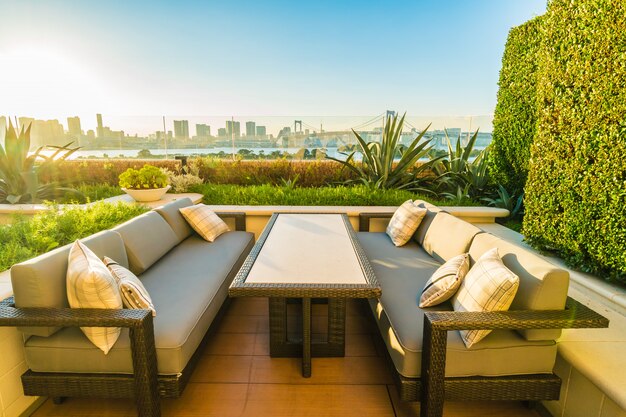
In the evolving tapestry of urban living, the concept of enhancing neighborhood appeal has never been more crucial. Residential areas are not merely clusters of houses; they are communities that foster connections among families and individuals. At the heart of this allure lies the power of well-designed residential panoramas that can transform mundane spaces into captivating environments. This transformation is not just about aesthetics; it’s a holistic approach that weaves beauty, functionality, and charm into the fabric of everyday life.
Curb Appeal Through Design
Curb appeal through design plays a pivotal role in how a neighborhood is perceived. When the exterior of homes and public spaces are thoughtfully designed, they create an inviting atmosphere that draws people in. This design philosophy emphasizes harmony between structures and the natural landscape.
Imagine a street lined with houses that boast large windows, inviting balconies, and vibrant gardens. These elements not only beautify the area but also encourage residents to spend time outdoors, fostering a sense of community. The interplay of colors, textures, and architectural styles can elevate the visual landscape. Incorporating unique architectural features—such as decorative railings, inviting entryways, and harmonious color schemes—can significantly contribute to a neighborhood’s overall aesthetic appeal.
Moreover, landscaping plays a crucial role in enhancing curb appeal. Beautifully manicured lawns, flower beds bursting with color, and strategically placed trees can transform a standard front yard into a visual delight. Adding pathways that meander through gardens not only enhances the charm but also encourages residents to engage with their environment.
Creating Attractive Residential Views
Creating attractive residential views is a key element in enhancing neighborhood appeal. This begins with strategic planning that emphasizes sightlines and sight angles, ensuring that the beauty of the area is maximized. Thoughtful placement of homes and outdoor spaces can provide residents with stunning vistas right from their windows.
Consider residential developments that prioritize views of nearby parks, rivers, or natural landscapes. The strategic use of large windows, balconies, and open terraces can provide unobstructed views that invite nature indoors. Not only do these design elements elevate the aesthetic quality of individual homes, but they also enhance the overall visual appeal of the neighborhood.
In addition, public art installations, fountains, or sculptures can be integrated into community spaces to provide focal points that enrich the residential panorama. These artistic touches not only beautify the area but also create conversation starters, allowing neighbors to connect and engage with one another.
Improvements for Neighborhood Charm
The improvements for neighborhood charm can often stem from community initiatives aimed at enhancing the shared environment. When residents come together to collaborate on beautification projects, a sense of ownership and pride develops.
Initiatives like community gardens, where residents cultivate plants and vegetables together, can foster camaraderie while beautifying the surroundings. Similarly, organizing neighborhood clean-up days encourages residents to take an active role in maintaining the charm of their environment.
Another effective improvement strategy is the installation of well-designed street furniture. Benches, bike racks, and decorative lighting not only enhance the functionality of public spaces but also contribute to the overall aesthetic. They create comfortable spots for neighbors to gather, converse, and enjoy their surroundings.
Furthermore, enhancing sidewalks with tree canopies or flower-lined paths can make walking through the neighborhood a delightful experience. A vibrant streetscape invites residents and visitors alike to explore and enjoy the unique charm of the community.
The Impact of Design on Community Well-Being
The impact of thoughtfully designed residential panoramas extends beyond mere aesthetics. A neighborhood that prioritizes beauty and functionality can significantly influence the well-being of its residents. Spaces that encourage outdoor activity—be it walking, biking, or simply enjoying a leisurely stroll—promote a healthier lifestyle.
Moreover, neighborhoods with appealing designs can foster stronger community ties. When individuals feel proud of their surroundings, they are more likely to engage with their neighbors, participate in local events, and invest in the community’s future. This sense of belonging and connection is invaluable and can lead to a more cohesive and harmonious living environment.
In conclusion, enhancing neighborhood appeal through well-planned residential panoramas can significantly elevate the quality of life for residents. By focusing on curb appeal through design, creating attractive residential views, and implementing meaningful improvements for neighborhood charm, communities can transform into vibrant, welcoming spaces. This approach not only beautifies the environment but also nurtures a sense of community and belonging, ensuring that neighborhoods thrive for generations to come.